IUSR Delegation in Asian Development Bank
Kisslle Puengan
August 8, 2025
Sustainable Development Goals


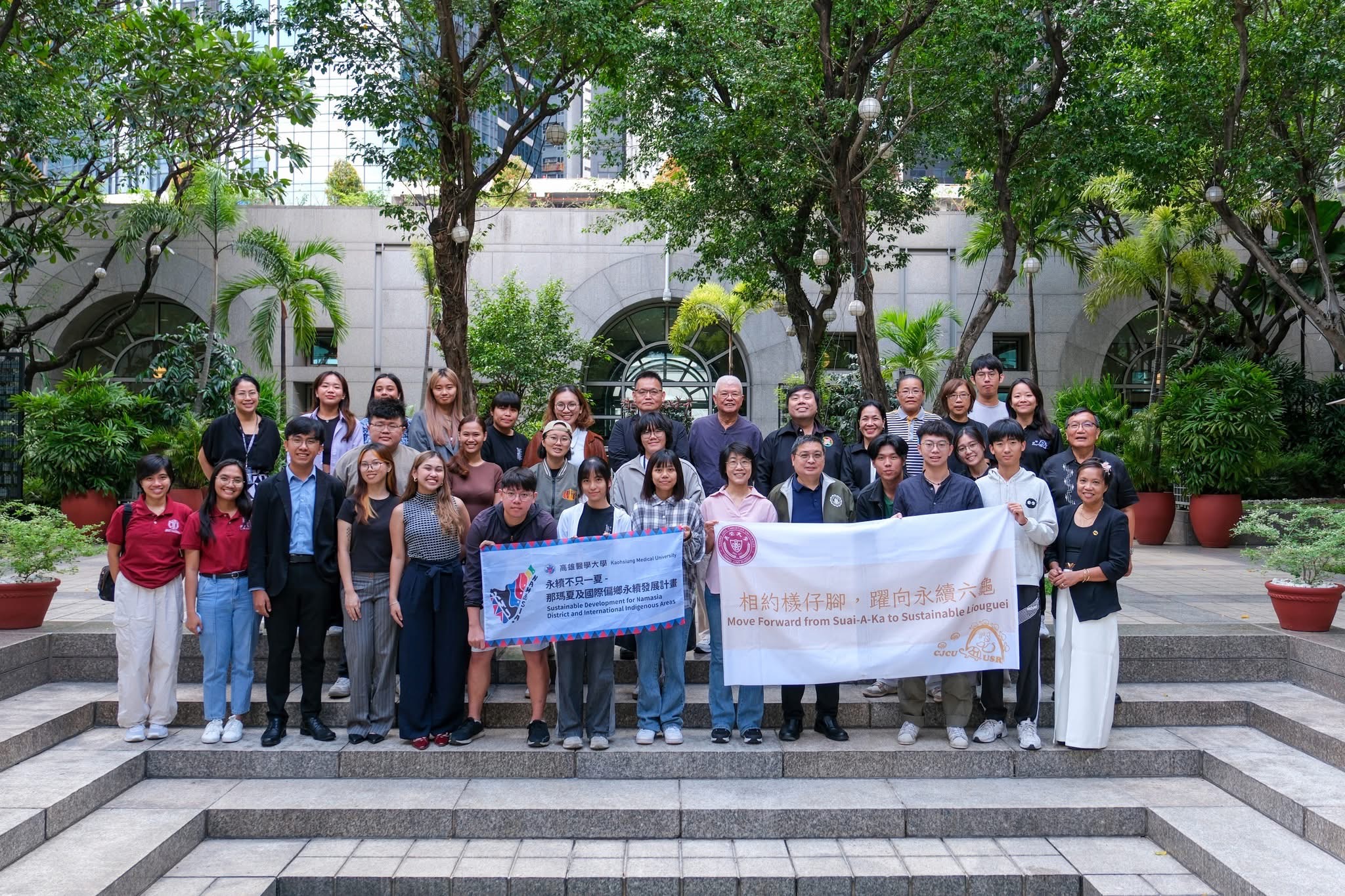
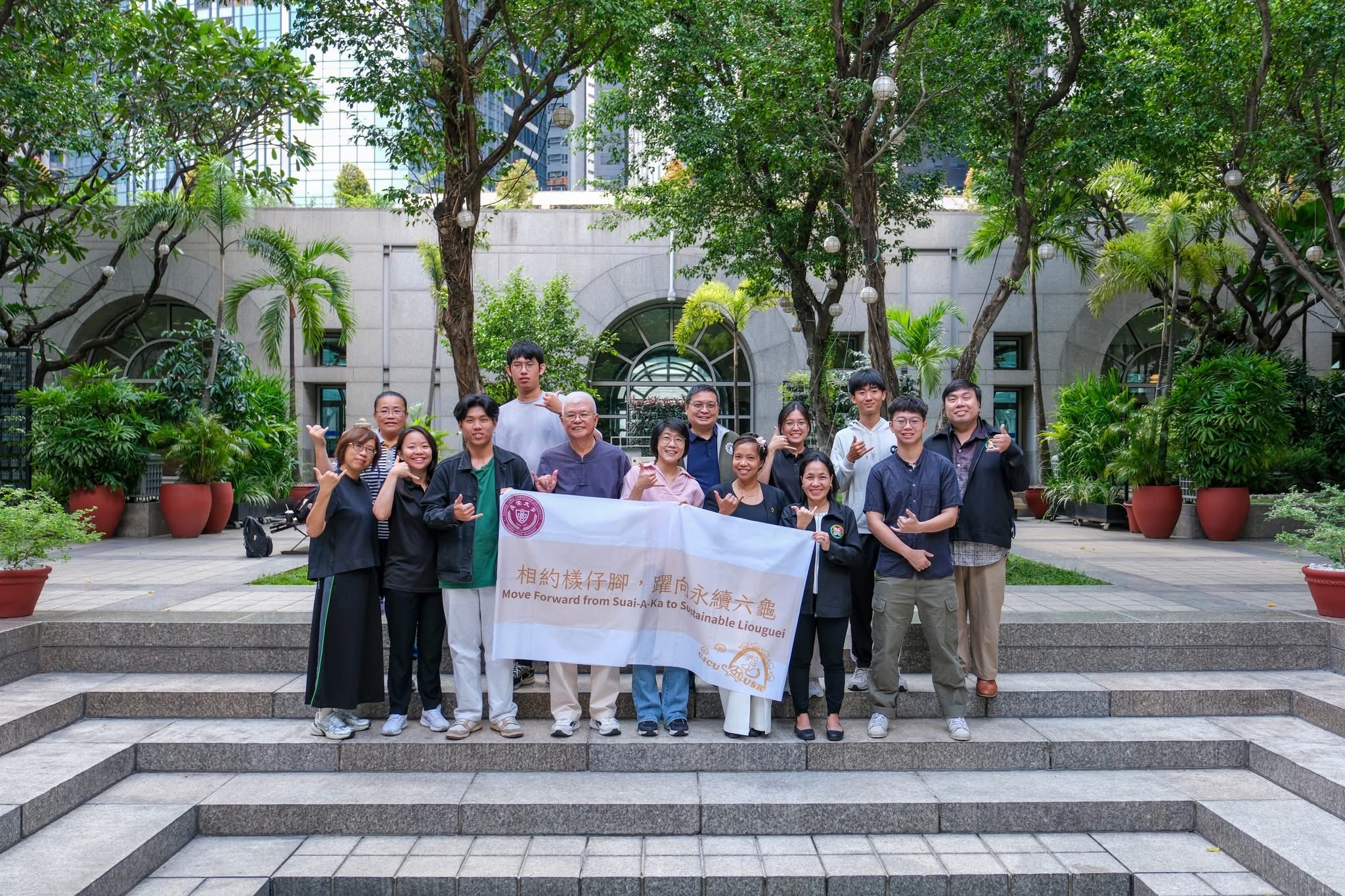
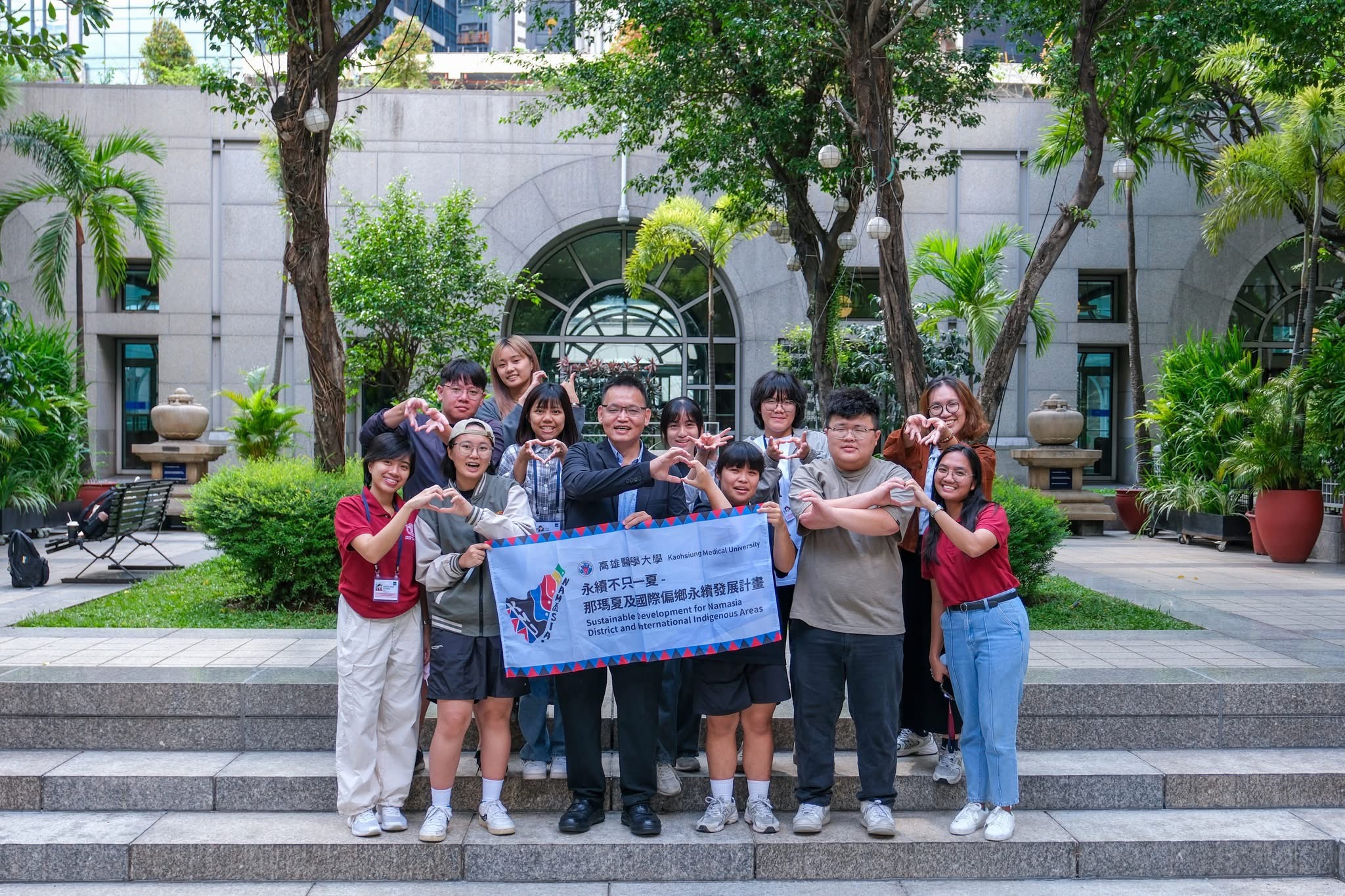
It is not every day that students, educators, and advocates from across the country gather to discuss how higher education can take a more active role in shaping an inclusive and sustainable future. Yet that is exactly what happened when representatives stepped into the headquarters of the Asian Development Bank (ADB) in Metro Manila for the 2024 International University Social Responsibility (IUSR) Summit.
On August 8, 2025, the Bayanihan Lab Network joined representatives from the University of the Philippines, Kaohsiung Medical University (KMU), Chang Jung Christian University (CJCU), Baolai Cultural Association, and Trinity University of Asia at the Asian Development Bank (ADB) headquarters in Metro Manila. The gathering, part of the International University Social Responsibility (IUSR) for Supporting ADB Strategy 2030, was not just a meeting — it was an affirmation that academia and development institutions share a responsibility to help shape a more inclusive, sustainable future.
For those committed to the UN Sustainable Development Goals (SDGs), ADB is a central hub where policy meets practice, and where strategies for an entire region are debated, refined, and put into motion. Headquartered in Metro Manila, ADB is a strategic partner for universities engaged in IUSR, providing a direct window into how global development goals become tangible policies, programs, and financing mechanisms that impact communities.
Mr. Terry Cho, ADB Senior Urban Development Specialist, opened the session with an overview that emphasized both the scale and reach of ADB’s work. Since its founding in 1966, the institution has grown to 69 member nations — 50 within Asia and the Pacific, and 41 borrowing members as of 2024. Operating with 4,213 employees and a governance structure that includes the President, Vice Presidents, Board of Governors, Directors, and Senior Management, ADB advances its mission through what it calls the three levers of change: finance, knowledge, and partnerships. These are not abstract ideals, but the mechanisms that address infrastructure deficits, inadequate public services, weak policy frameworks, and unsustainable debt burdens.
Special funds such as the Asian Development Fund (ADF), ADB Institute (ADBI), and Climate Change Fund (CCF) are more than budgetary tools — they are lifelines for communities facing development challenges on the ground. Yet their impact depends on the strength of partnerships that carry these resources forward. This is precisely where universities have an indispensable role: to provide research, talent, and collaboration that turn financial and policy tools into transformative outcomes. Mr. Cho’s discussion of Strategy 2030, particularly Operational Priority 4: Making Cities More Livable, made the stakes clear. Across Asia, urban areas are under increasing strain from population growth, climate change, and deepening inequality. Through its water and urban sector strategies, ADB is demonstrating that inclusive, participatory planning is not only possible but essential.
The open forum with Mr. Cho, Ms. Fei-ya Chang (Financial Sector Specialist, ERDI), and Mr. Wei-Ting Yang (Statistician, ERDI) reinforced that the Philippines’ role within ADB is not just symbolic — it is strategic. The conversation on gender equality’s influence in city planning highlighted a persistent truth: sustainable development is not gender-neutral, and excluding gender perspectives results in cities that serve only part of the population. In the end, what stood out most was the reminder that true progress is built on cooperation — a modern form of bayanihan — where communities, governments, and institutions move forward together, ensuring no one is left behind.
Walking through the ADB History Gallery and Library, reflecting on six decades of regional cooperation, one lesson stood out: universities have been underestimating their influence. Social responsibility should not be treated as an optional add-on to higher education — it must be embedded in the core mission. In a region where policy gaps are wide and resources are limited, universities cannot remain passive knowledge keepers. They must actively align academic research with institutional power, integrate teaching with real-world needs, and forge cross-border collaborations that address complex challenges at scale.
The day’s message was clear and urgent: building a better future is not solely the task of governments or multilateral organizations. It requires a shared vision, mutual accountability, and the cooperative spirit embodied in both bayanihan and international academic exchange. If we are to be serious about inclusive and sustainable development, universities must move beyond the role of observers or analysts — and fully embrace their role as catalysts for systemic change.